
3 Signs You Need In Home Care For Mom
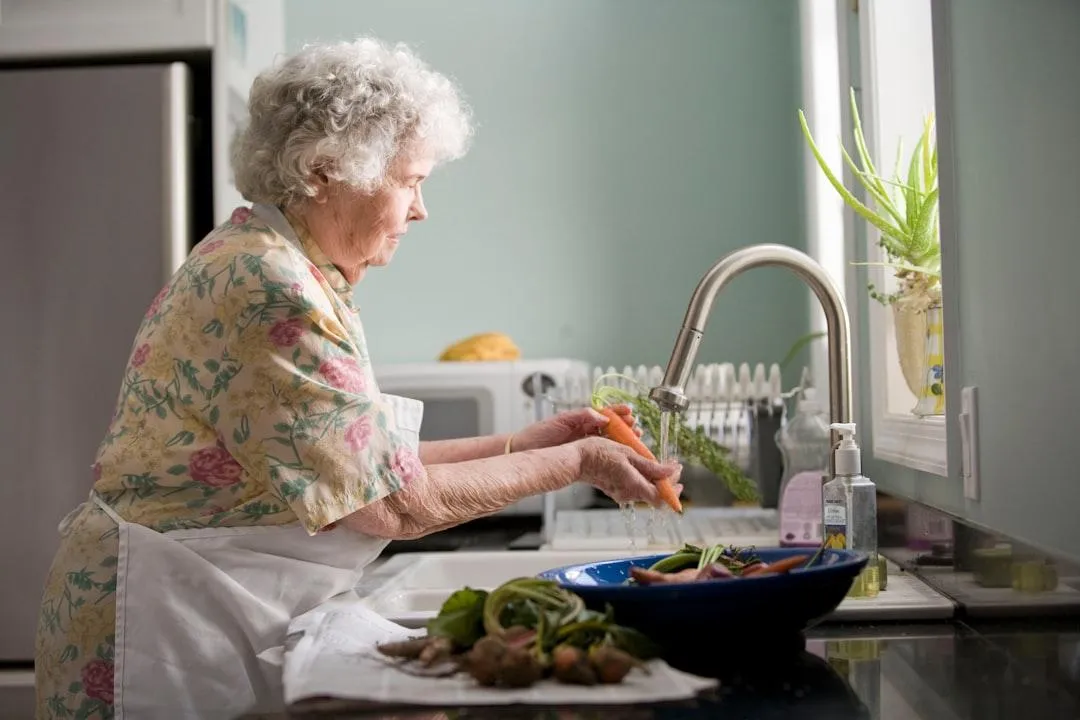
You might notice subtle changes in your mom's daily routine that raise concerns about her well-being. Maybe she's lost weight or seems more fatigued than usual, hinting at difficulties with meal preparation or daily tasks. If she struggles with personal care or managing her medications, it could signal the need for assistance. Perhaps you've even sensed a shift in her mood, pointing to loneliness. These signs can be crucial indicators, but understanding the full picture is essential. What else should you consider when assessing her needs?
#1 - Changes in Daily Routine
Adjusting to in-home care for Mom often brings significant changes in her daily routine. You might notice that her schedule shifts, making room for caregivers to assist her with daily tasks.Mornings may start a bit earlier as care staff help her with bathing and dressing. Meal times could become more structured, with caregivers preparing nutritious meals tailored to her preferences.Activities she once did alone, like exercising or hobbies, may now involve companionship, fostering social interaction. You'll need to communicate any preferences or routines she values, ensuring they're incorporated into her care plan.While these adjustments can feel overwhelming at first, they're aimed at enhancing her comfort, safety, and overall well-being in her home environment.
#2 - Decline in Health
How do you cope when you notice a decline in Mom's health? It can be overwhelming. You might see her losing weight, having difficulty with daily tasks, or experiencing frequent fatigue. These signs are crucial and shouldn't be ignored.Start by having an open conversation with her about how she feels. Encourage her to discuss any discomfort or changes in her routine. Keep track of her symptoms and daily behaviors to share with her doctor. This information can help in identifying health issues early.Additionally, consider her emotional well-being; loneliness and depression can accompany physical decline. Getting support from family members or professionals can make a significant difference.Recognizing these changes early can lead to better care and improved quality of life for Mom.
#3 - Safety Concerns at Home
As your mom's health declines, safety concerns at home become more pressing. You might notice she's having trouble navigating stairs or reaching for items on high shelves. These daily challenges can lead to dangerous falls or injuries.If her home isn't well-lit or clutter-free, the risk only increases. You should also consider whether she can properly handle kitchen appliances or medications without supervision.Additionally, if she's experiencing memory issues, the potential for leaving the stove on or forgetting to lock doors becomes a serious concern.Take note of any signs of anxiety or confusion related to her living environment. If these issues arise, it's time to think about in-home care solutions that prioritize her safety and well-being.
Frequently Asked Questions
How Can I Assess My Mom's Emotional Well-Being at Home?
To assess your mom's emotional well-being, observe her mood changes, social interactions, and daily activities. Engage her in conversation, ask open-ended questions, and encourage her to express feelings.Notice any signs of withdrawal or distress.
What Are the Costs Associated With In-Home Care Services?
In-home care services can vary significantly in cost, depending on services needed and location. You'll typically see hourly rates ranging from $20 to $50, plus potential additional fees for specialized care or equipment.
How Do I Choose the Right Caregiver for My Mom?
Choosing the right caregiver for your mom involves assessing her needs, researching qualifications, and interviewing candidates. Trust your instincts, consider compatibility, and check references to ensure she receives the best care possible.
Can In-Home Care Improve My Mom's Quality of Life?
Absolutely, in-home care can significantly improve your mom's quality of life. It provides personalized assistance, companionship, and helps her maintain independence, ensuring her daily needs are met while offering you peace of mind.
Wrapping Up
In-home care can be a vital support system for your mom when you notice changes in her daily routine, a decline in her health, or safety concerns at home. By recognizing these signs early, you can help ensure she receives the care and companionship she needs to thrive. Don't hesitate to reach out for assistance; it can make a significant difference in her quality of life and your peace of mind.If you or a loved one are considering in-home care, AmeriCare Plus is here to help. With compassionate caregivers, personalized care plans, and a commitment to your well-being, we make it possible to live safely and comfortably in the place you call home. Don’t wait to take the first step toward peace of mind—contact us today to schedule a free consultation and explore how our in-home care services can meet your unique needs. Call us or visit our website to get started!